This is not the first time this has happened. It has occurred during previous government transitions in New York City. Sometimes, it is a rebranding of an old initiative; other times, a temporary patch over what is already taking place. Rarely —if ever— is childcare addressed with the seriousness it deserves. The political discourse feels overused: “children are the future,” “for our children…”. If children are the future, then we, today, are the outcome of that past. And for many people in our communities, simply being present today is fortunate, especially when we have so often been overlooked.
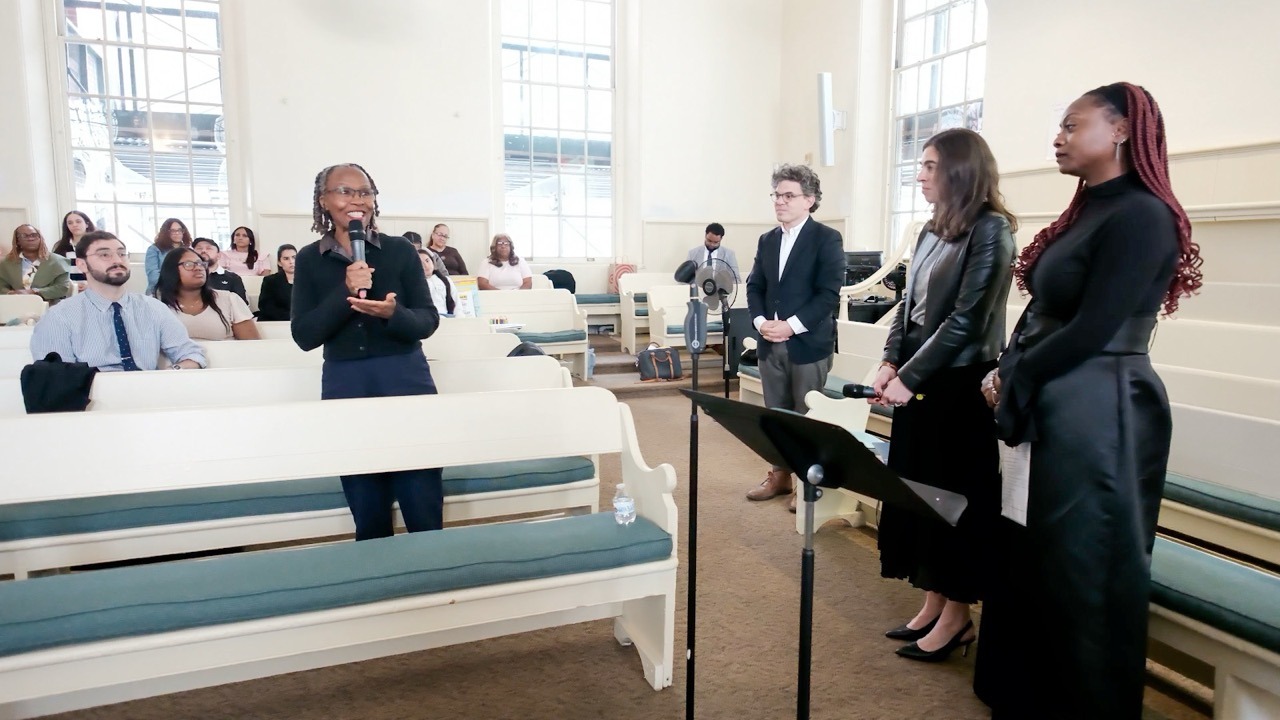
I should note that I began writing this series of articles —of which this is the first— before our professional development day on March 27, 2026, when we had the participation of Deputy Chancellor of Early Education, Simone Hawkins, along with representatives from the mayor-elect’s office. That day clarified several of the points I intended to analyze in this series for our blog. However, the focus of this series remains unchanged. Our Executive Director, Emmy Gay, aptly shared powerful words during the presentation that resonate with this introduction: “It’s wonderful that you were able to see our educators face to face, to put faces to those who carry out the work of childcare.”
If we, in the present, are the result of our past, we must acknowledge that we have failed ourselves many times—and that we can do better. During the presentation, government representatives repeatedly emphasized —almost as a slogan— that the foundation of 2K would be home-based childcare educators, and that they are essential to achieving universal childcare (one of the mayor’s campaign proposals). Beyond that, specific details —such as rates and other financial aspects— remained unclear, with the promise that they would be shared soon.
Many other questions were answered with optimism. There was also a recurring message that educators’ feedback and support are central to this initiative.
Now, for our children and their future, it is time to confront the present. If home-based childcare educators are to be the foundation of this proposal, then their current conditions are urgent. We cannot build a universal childcare system while maintaining practices that perpetuate labor inequality among educators. For our children, it is essential to address the inequities of the present to ensure the best possible care environment. For our children, we have the most highly prepared educators in history—yet they face immeasurable labor inequality.
Opening the door to dialogue with home-based childcare educators is undoubtedly a first step. But their perspectives, comments, concerns, and suggestions cannot be excluded from a universal childcare proposal if they are its foundation. It cannot be a one-time or one-sided conversation. Ultimately, they are the ones working in the diverse communities that sustain this city. They are the ones who will make universal childcare possible. From their present, for our children, they represent the first step toward the future.
In this sense, this series will explore their uncertainties regarding 2K and bring forward issues that matter to them. Just as we have begun this dialogue, we hope that educators will continue to be included at every step toward universal childcare.