From an educational perspective, we believe that caregiving routines and child care spaces should not be viewed simply as places to prepare children for school. Instead, we believe they should be safe environments where children can explore the world in the most meaningful way possible, according to their stage of development. However, this does not mean we do not have a plan.
Some people may argue that having a lesson plan contradicts our belief that free play and following children’s natural interests should go hand in hand. However, this perspective comes from a limited understanding of the kind of structure a curriculum can provide. This is where our educators play a vital role by bringing theory and practice together.
Let’s take the first month of our September curriculum as an example. Its focus is naming. Naming strengthens language development, neural connections, coordination, memory, and children’s social relationships. It also helps them understand and make sense of the world around them—the same world they are constantly exploring.
Now, are we going to teach children to name things by sitting them in a chair and pointing out everything they see? The answer is obvious: of course not.
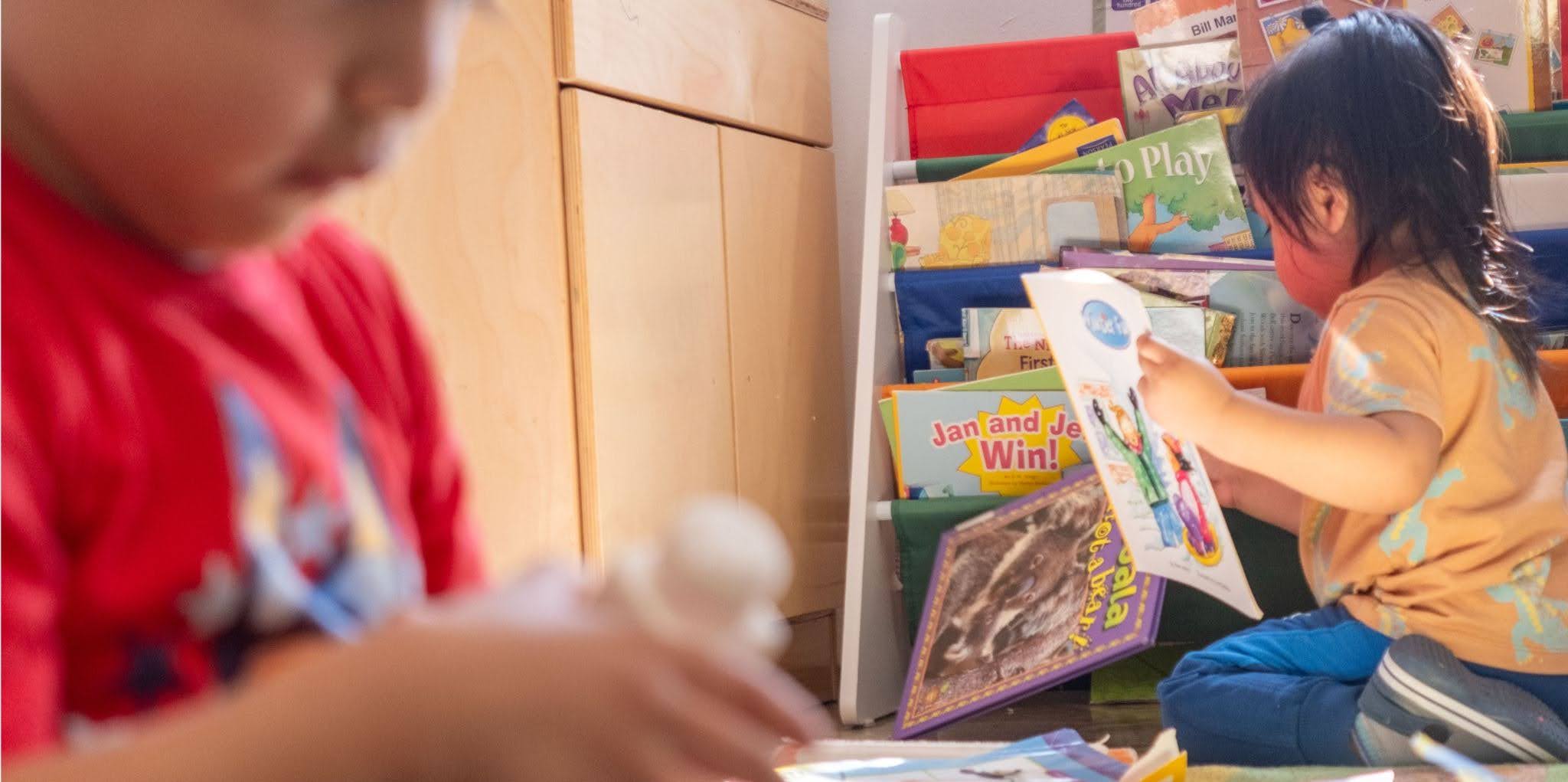
This is where a curriculum alone can seem limited, but an educator’s work is not. Every caregiving routine becomes a learning opportunity to name body parts, areas of the program, and clothing while also modeling consent and respectful care. Moments of conflict over toys or other objects become opportunities to name emotions, solve problems, and develop social skills. Likewise, free play allows us to put words to children’s most authentic and natural interests.
For this reason, and many more, we invite you to join us on August 20 for our Zoom meeting, where we will reflect together on how to bring our curriculum to life through the practice of naming. We will share ideas, strategies, and best practices to enrich our everyday work.
Because when we name things, we do more than teach words—we help children understand their world, express their feelings, and build meaningful relationships.