
Routines strengthen our children’s learning, give them clear ideas about space and about what we do day to day, and allow us to share learning experiences with them. However, routines can also lead us into a dangerous trap. During visits to several programs in recent weeks, I have noticed that some educators refer to transition moments as “routines.” And this hides an imminent danger.
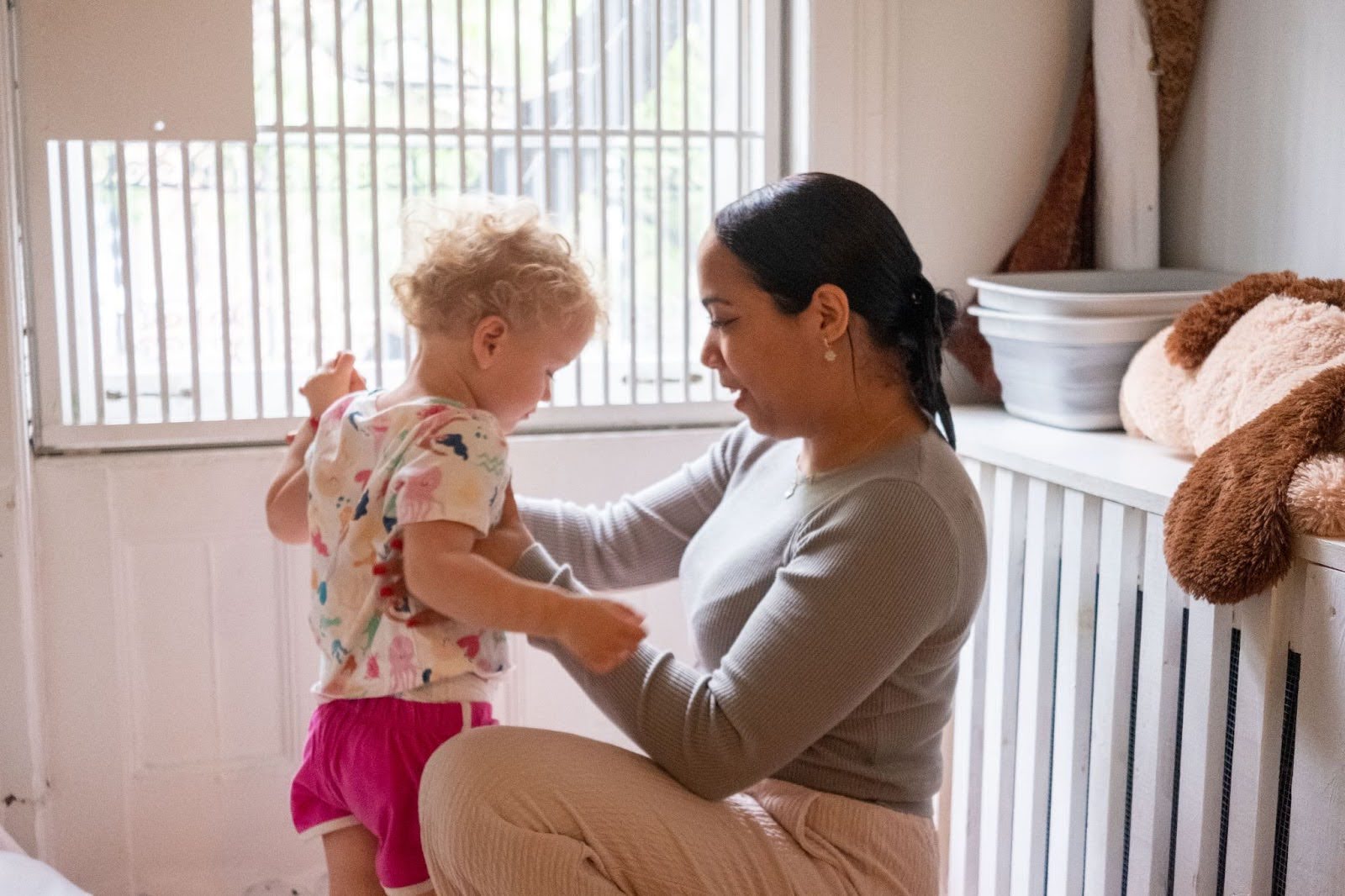
The danger lies in the fact that the transition space becomes a space for giving direct instructions in order to speed up the day-to-day schedule. The empathetic moment and the educational understanding of daily life are lost. The moment in which our children come to understand for themselves that we are moving from one activity to another, from one area to another, from one moment of the day to another, is lost. But worse still, the bond in which the educator serves as the children’s emotional mirror is lost. In those moments, the educator becomes a general who monitors each child’s movement, instead of accompanying them.
Routines and transitions are closely related, but they are not the same. They cannot be. Routines involve care, observation, and empathy on the part of the adult. They are predictable and repetitive, yet open enough to allow the infant to explore. They are repetitive because they allow us to care for and provide information to the infant—sharing knowledge about their environment, about care, and about ourselves as caregivers. Transitions involve a change in activity, area, or time, but this cannot mean losing the empathetic bond between the responsible adult and the infant.
The emotional intelligence of our youngest children will benefit if we choose the bond over instructions…