
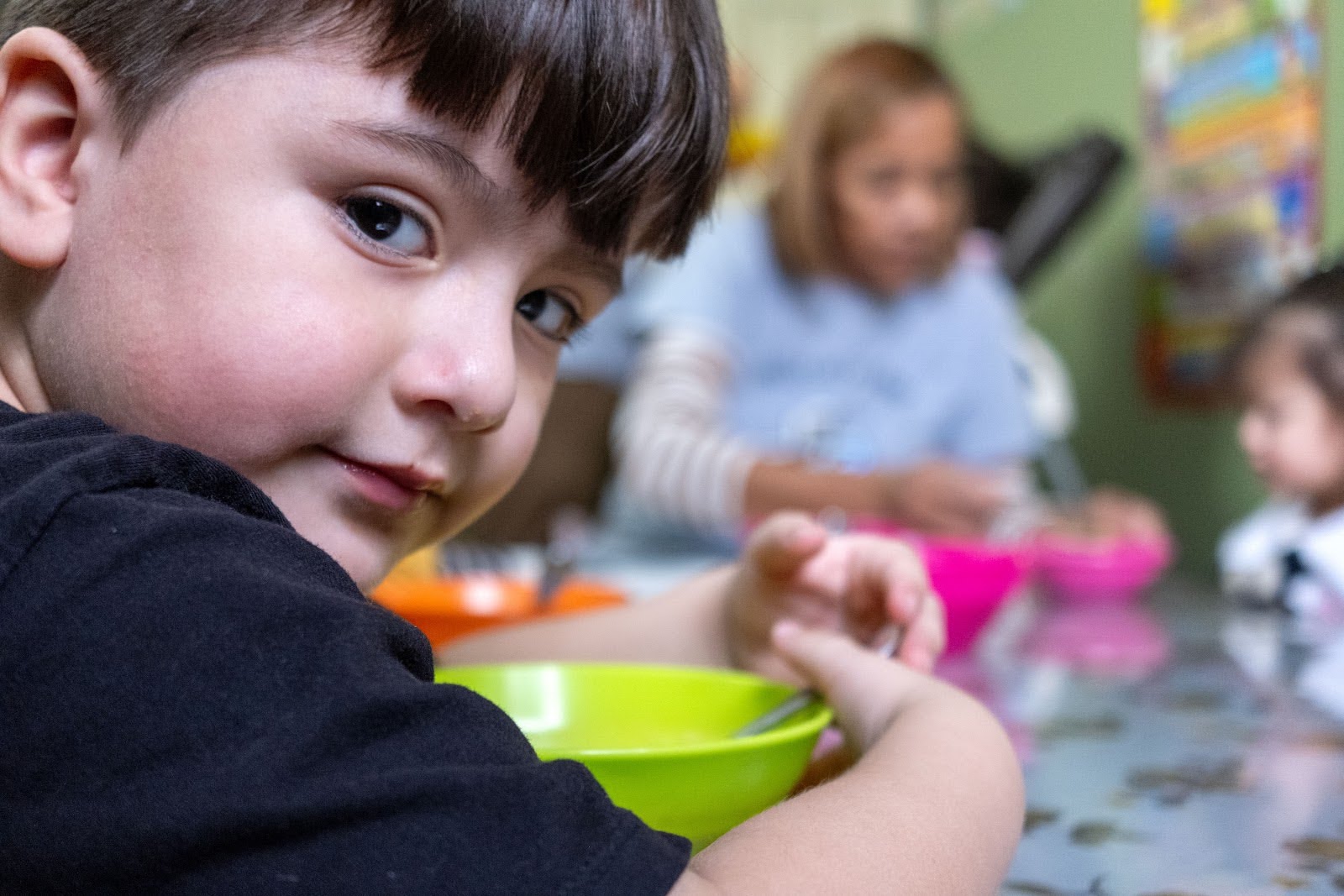
At this point at the beginning of the year, I would really love for winter in New York to be over. Enough already, after the snowfall from a few weeks ago, we deserve something warmer. But our children deserve good, warm practices when it comes to childcare. That thought reminds me how much I wish practices would end where our children are seen as nothing more than economic gain.
During the winter, through visits to certain programs and conversations with some educators or families, certain patterns have surfaced in caregiving practices. It is quite common to hear educators speak about the importance of child development and providing the best tools. However, when this requires a bit more inclusion on the part of programs, it seems to be forgotten. I’m not talking about everyone, it’s important to be clear about that. I’m talking about situations where we deny certified therapists and/or evaluators access to programs, and in doing so, we are actually denying our children the basic principle of health and well-being. I’m talking about when our approach to families is not based on trust, but instead on waiting for checkpoints to share information, without an action plan grounded in care. I’m talking about moments when an infant’s transition is difficult as they adjust to a program, and the decision is made to call and request a transfer of the child. Although winter has been cold, identifying some of these practices among caregivers, when they function as patterns, has made this season feel even darker.
Children feel when care is not authentic. Families do too. Without this, there is no community.
This month, the education team will be discussing strategic leadership and family engagement as an exercise in best practices. The call here is simple: let’s be coherent. If we want the best for our infants, we must be better leaders and go the extra mile for our children during these difficult times. Here, we commit to coherence. We include families in practice, not just in words.